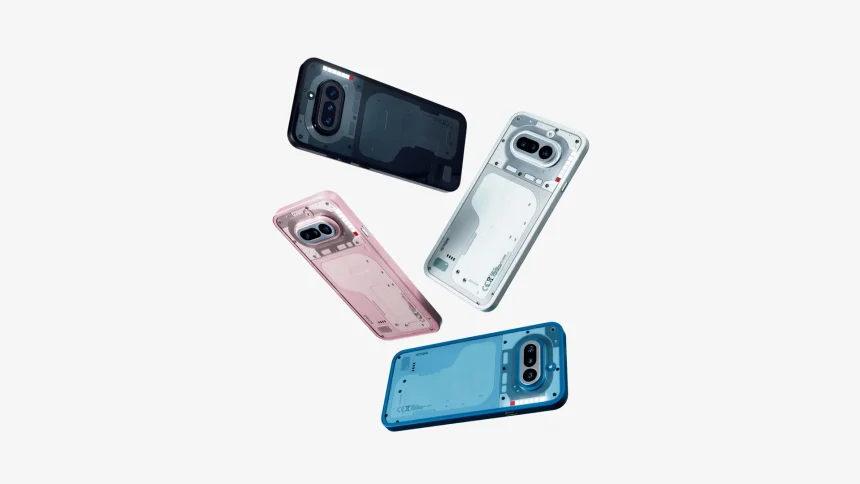
At first glance, the Nothing Phone (4a) immediately captures attention with its recognizable design language. The device features the brand’s signature semi-transparent rear panel, subtly revealing elements of the phone’s internal structure. This futuristic look has become a defining characteristic of Nothing’s smartphones and continues to separate the brand from competitors that rely on more traditional glass-back designs.
Another standout feature is the Glyph Interface integrated into the back of the phone. The LED lighting strips serve more than just a visual purpose—they provide functional notifications for incoming calls, messages, charging status, and other alerts. The lights can also be customized, allowing users to assign different patterns or signals to specific notifications. This feature not only adds personality to the device but also provides a practical way to stay informed without constantly checking the screen.
On the front, the smartphone features a large AMOLED display with a 120Hz refresh rate. This high refresh rate ensures smoother scrolling and a more responsive feel when navigating apps, browsing the web, or watching videos. The vibrant colors and sharp contrast typical of AMOLED panels also enhance the overall viewing experience, making the display one of the key highlights of the phone.
Performance is powered by a Snapdragon mid-range processor designed to balance efficiency and power. While it may not target flagship-level performance benchmarks, it is more than capable of handling everyday tasks such as social media browsing, streaming, messaging, and moderate gaming. Combined with optimized memory and storage options, the device aims to provide consistent and reliable performance for most users.
The Nothing Phone (4a) runs on the latest version of Android, paired with Nothing’s custom interface known as Nothing OS. The company has intentionally kept the software experience clean and minimal, avoiding unnecessary apps and heavy customization layers. The interface features the brand’s distinctive dot-matrix visual style across widgets and icons, creating a cohesive look that matches the hardware design.
Photography is supported by a versatile multi-camera system that aims to deliver reliable results for everyday use. The primary camera sensor is designed to capture detailed photos with balanced colors, while additional lenses expand shooting options for wider shots and different perspectives. Nothing has also focused on improving its computational photography capabilities, helping the camera adapt to different lighting environments and produce better results automatically.
Battery life is another important aspect of the device. The Nothing Phone (4a) includes a large battery designed to last throughout a full day of typical smartphone use. Fast charging support allows users to quickly recharge the device when needed, reducing downtime and making the phone practical for users who rely heavily on their devices throughout the day.
Overall, the Nothing Phone (4a) represents the brand’s continued effort to create smartphones that prioritize design, usability, and a clean software experience. By focusing on a distinctive visual identity alongside dependable performance, the device offers a refreshing alternative in a crowded smartphone market.
For users looking for a mid-range smartphone that combines unique design elements with a smooth Android experience, the Nothing Phone (4a) may be one of the more interesting options to consider in 2026.