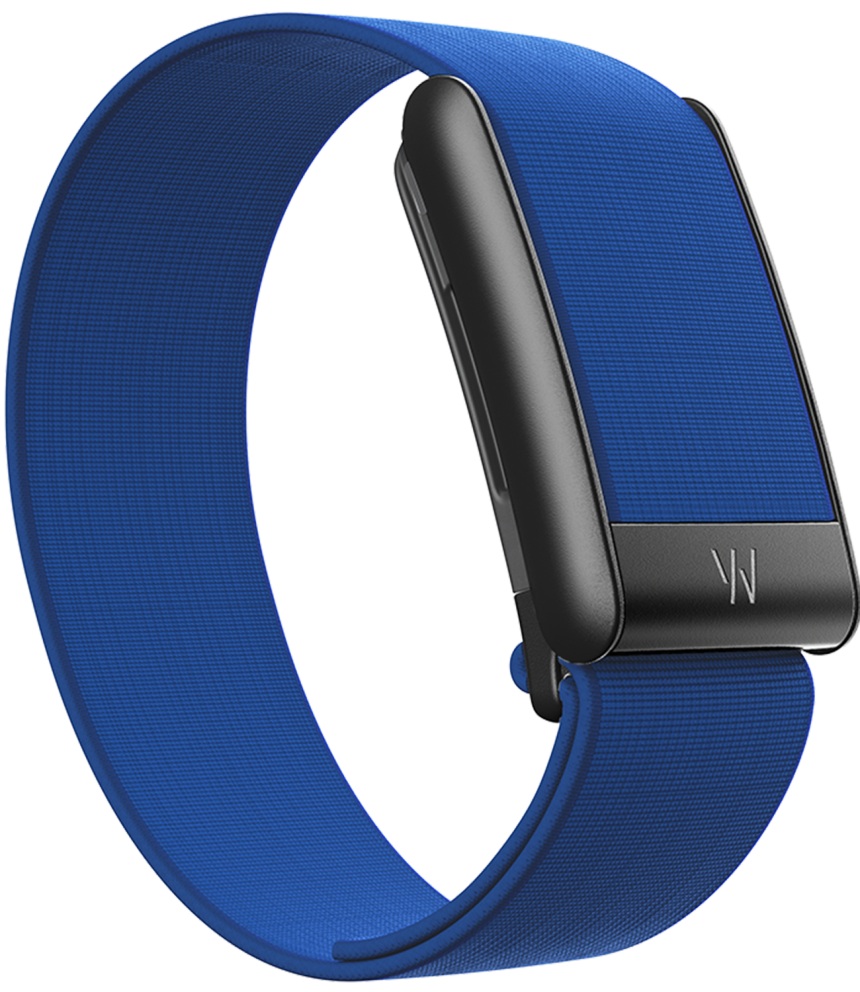
WHOOP is not your typical wearable. In a market dominated by smartwatches packed with screens, apps, and notifications, WHOOP takes a very different direction by removing the display entirely and focusing on one thing: understanding the human body through continuous biometric data.
At its core, WHOOP is designed to help users improve performance, recovery, sleep, and long-term health. Instead of overwhelming you with constant interactions, it works silently in the background, collecting data 24/7 and translating it into meaningful insights through its app.
The device tracks key health metrics such as heart rate variability (HRV), resting heart rate, sleep stages, respiratory rate, strain from physical activity, stress levels, and overall recovery. Rather than just presenting raw numbers, WHOOP focuses on context telling you how ready your body is to perform, when you should push harder, and when you should rest.
One of the strongest features of WHOOP is its recovery system. Each day, users receive a recovery score that reflects how well their body has recovered based on sleep quality, heart metrics, and strain from previous days. This turns the wearable into more than a tracker it becomes a decision-making tool for training and lifestyle choices.
Sleep tracking is another standout area. WHOOP provides detailed insights into sleep duration, sleep stages, disturbances, and efficiency, helping users understand how their daily habits impact recovery. Over time, the app identifies patterns and offers recommendations to improve sleep quality.
The latest generation, WHOOP 5.0, refines this experience further. The device is smaller, more efficient, and offers improved sensor accuracy along with longer battery life. This makes it easier for users to wear continuously without disruption, which is essential for a system built entirely around 24/7 data collection.
WHOOP is also expanding beyond fitness into health and longevity tracking. Features like “WHOOP Age” and “Healthspan” estimate biological age and long-term health trends based on lifestyle, recovery, and cardiovascular performance. This shift positions WHOOP as a tool not just for athletes, but for anyone interested in long-term wellness.
Taking things even further, WHOOP MG introduces medical-grade capabilities such as ECG monitoring, AFib detection, and advanced heart health insights. This marks a major step toward blending consumer wearable technology with healthcare-level monitoring, a space that is expected to grow rapidly in the coming years.
Artificial intelligence is another key part of the WHOOP ecosystem. The platform analyzes behavioral and physiological data to deliver personalized coaching recommendations. Whether it’s adjusting workout intensity, improving sleep habits, or managing stress, the AI adapts over time based on each user’s unique patterns.
However, WHOOP’s subscription-based model remains one of its most debated aspects. Instead of a one-time purchase, users pay for ongoing access to the platform, insights, and updates. While this ensures continuous improvement and deeper analytics, it may not appeal to casual users looking for a simple fitness tracker.
Despite that, WHOOP has built a strong reputation among athletes, professionals, and health-conscious users who value data-driven performance optimization.
In conclusion, WHOOP stands out because it doesn’t try to be everything. It focuses on doing one thing exceptionally well helping people understand their bodies and improve their health over time. As wearable technology continues to evolve, WHOOP represents a shift toward more intelligent, personalized, and health-focused devices that go far beyond traditional fitness tracking.