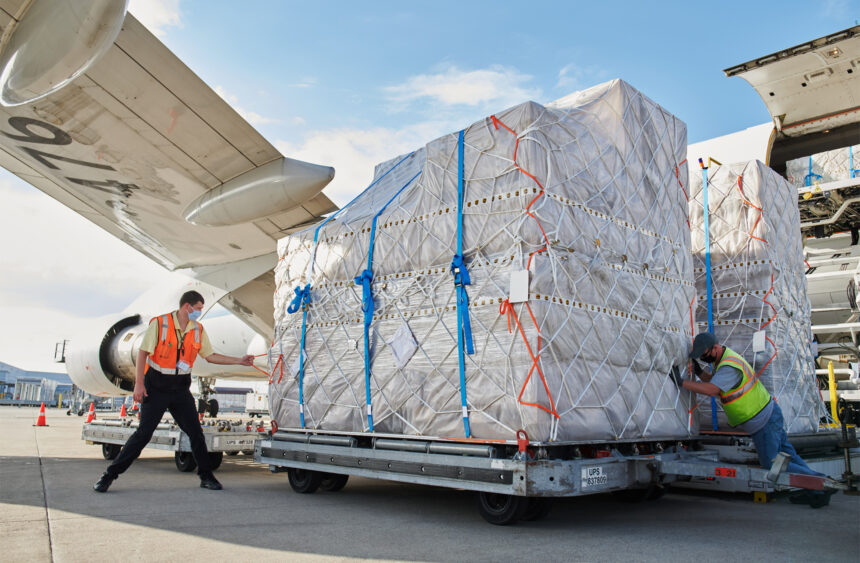
In the final week of March 2025, Apple made a strategic move to safeguard its business in the face of looming tariffs. The tech giant quickly arranged for five planes loaded with iPhones and other products to be flown from manufacturing hubs in India and China to the United States, all within a span of just three days. This high-speed shipment operation, was designed to beat a new 10% reciprocal tariff imposed by the Trump administration, which was set to take effect on April 5, 2025.
These urgent shipments were a critical part of Apple’s strategy to avoid the additional costs that the new tariffs would impose on its products. However, the company has stated that it has no immediate plans to raise retail prices in the US or other key markets as a result of these tariffs, at least for the time being. Instead, Apple opted to rapidly move inventory from its manufacturing centers in both India and China, even though this is typically a slower period for shipments.
According to sources familiar with the matter, factories in both India and China, along with other key manufacturing locations, had been ramping up production and preparing for shipping to the US in anticipation of the impending tariffs. By stockpiling iPhones and other products ahead of the tariff deadline, Apple is positioning itself to mitigate the impact of the new taxes and keep prices stable in the short term.
The stockpiled goods will allow Apple to maintain its current pricing for a period of time, even as it faces the rising costs of manufacturing under the new tariffs. “The reserves that arrived before the tariffs came into effect will temporarily shield Apple from the higher duties it will soon face on new shipments,” explained one source familiar with the situation. Apple’s US warehouses are reportedly well-stocked, with inventory that should cover the company’s needs for several months ahead.
While this strategy will offer short-term relief, it may not be sustainable in the long run. As one source pointed out, any price increases Apple may eventually need to implement in response to the new tariffs could not be limited to just the US market. The company would have to consider raising prices across all major global markets where it sells its products, including Europe and Asia. This could put additional pressure on Apple’s supply chain and demand for its products.
The US market remains critically important for Apple, and the company is working hard to avoid passing the higher costs on to consumers. Doing so could harm both demand for Apple’s products and its profit margins, which are essential to its continued success. To navigate these challenges, Apple is closely analyzing the different tariff structures across its various manufacturing locations and assessing how these changes will impact its overall supply chain.
Looking ahead, India appears to be positioned as one of Apple’s most valuable manufacturing partners. In response to rising tariffs on Chinese goods, Apple has been shifting more of its production to India, where labor costs are more competitive, and the tariff advantages are significant. The Trump administration’s announcement of a 26% reciprocal tariff, set to take effect on April 9, 2025, will further solidify India’s role in Apple’s global production strategy. This tariff is set to apply to imports from countries like China, but India’s exports to the US will only face a 26% tariff, compared to the 54% levied on Chinese goods. This difference creates a strong economic incentive for Apple to continue shifting production to India, where it can benefit from lower tariffs and more favorable manufacturing conditions.
Currently, Apple’s production in India is focused primarily on iPhones and AirPods. The company already accounts for the majority of India’s smartphone exports to the US, which total nearly $9 billion annually. The company’s strategy of moving more production to India is expected to accelerate, particularly as the economic and political landscape surrounding global trade continues to evolve.
A recent report from The Wall Street Journal highlighted that the US government may increasingly look to India as a source for iPhones and other Apple products as it works to mitigate the impact of Trump-era tariffs on Chinese goods. The possibility of higher iPhone prices due to the new tariffs has led many US consumers to rush out and upgrade their phones, anticipating that costs could rise significantly once the tariffs take effect.
As Apple continues to navigate the complexities of global trade, its strategy of stockpiling inventory, shifting manufacturing to India, and mitigating the effects of rising tariffs will be crucial in maintaining its market position. For now, Apple’s swift and strategic actions have helped shield it from the immediate impact of the new tariffs, but the company will need to continue adapting as the global trade landscape continues to evolve.