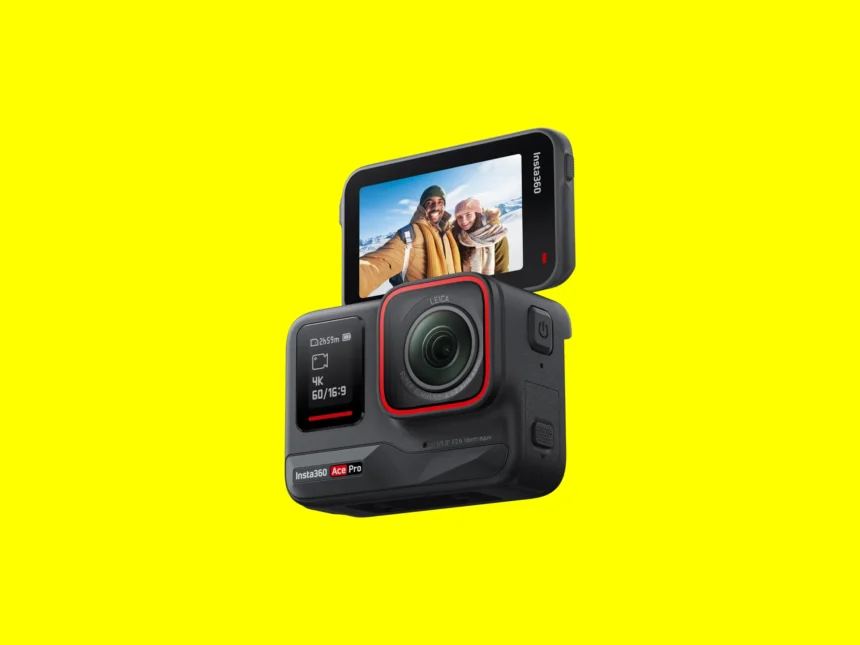
Insta360 recently launched two new action cameras, the Ace and Ace Pro, which are single-lens models positioned between the Go 3 and the high-end One RS. The Ace Pro is designed for action-oriented videographers, offering features that blend functionality and fun.
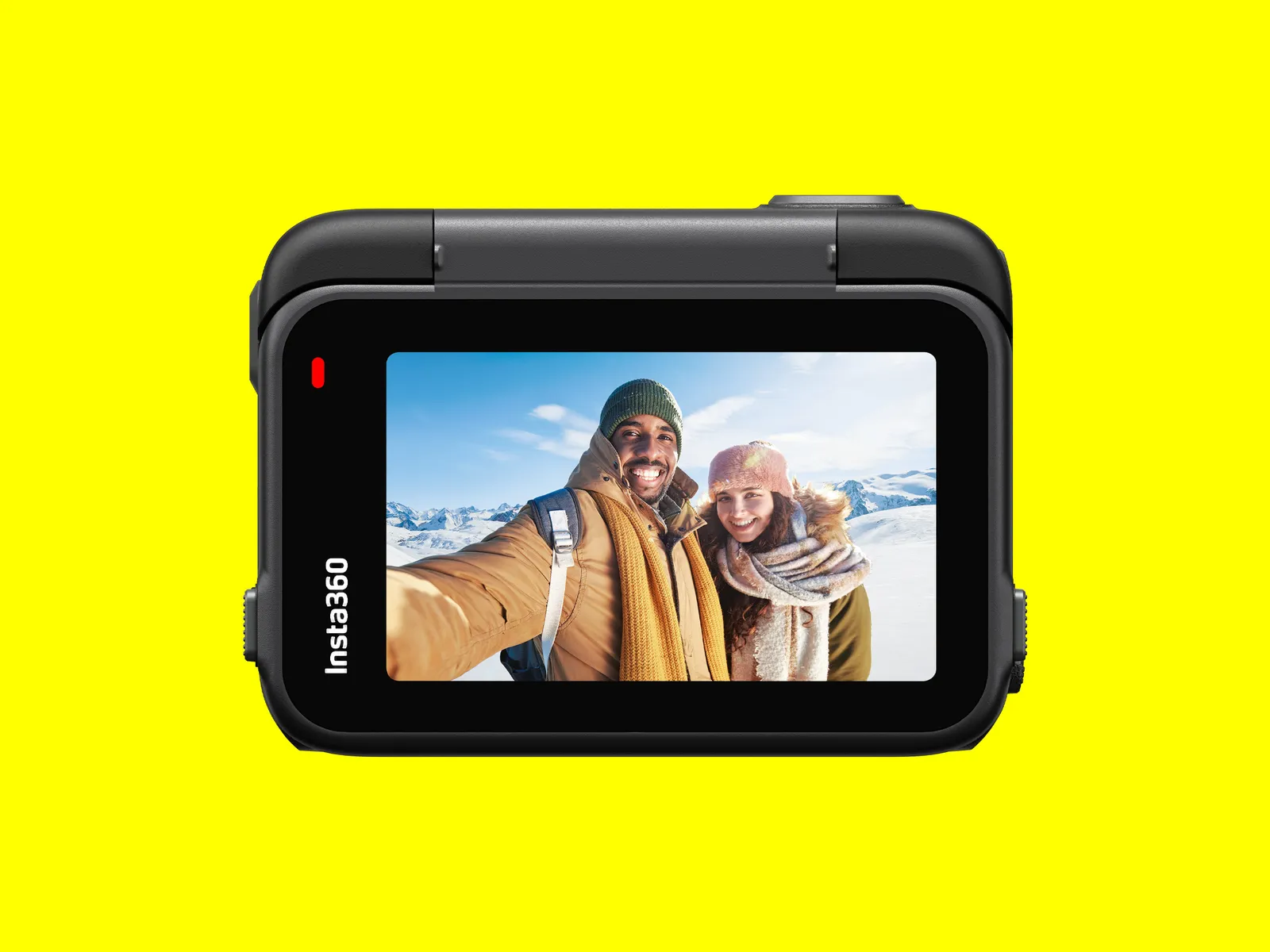
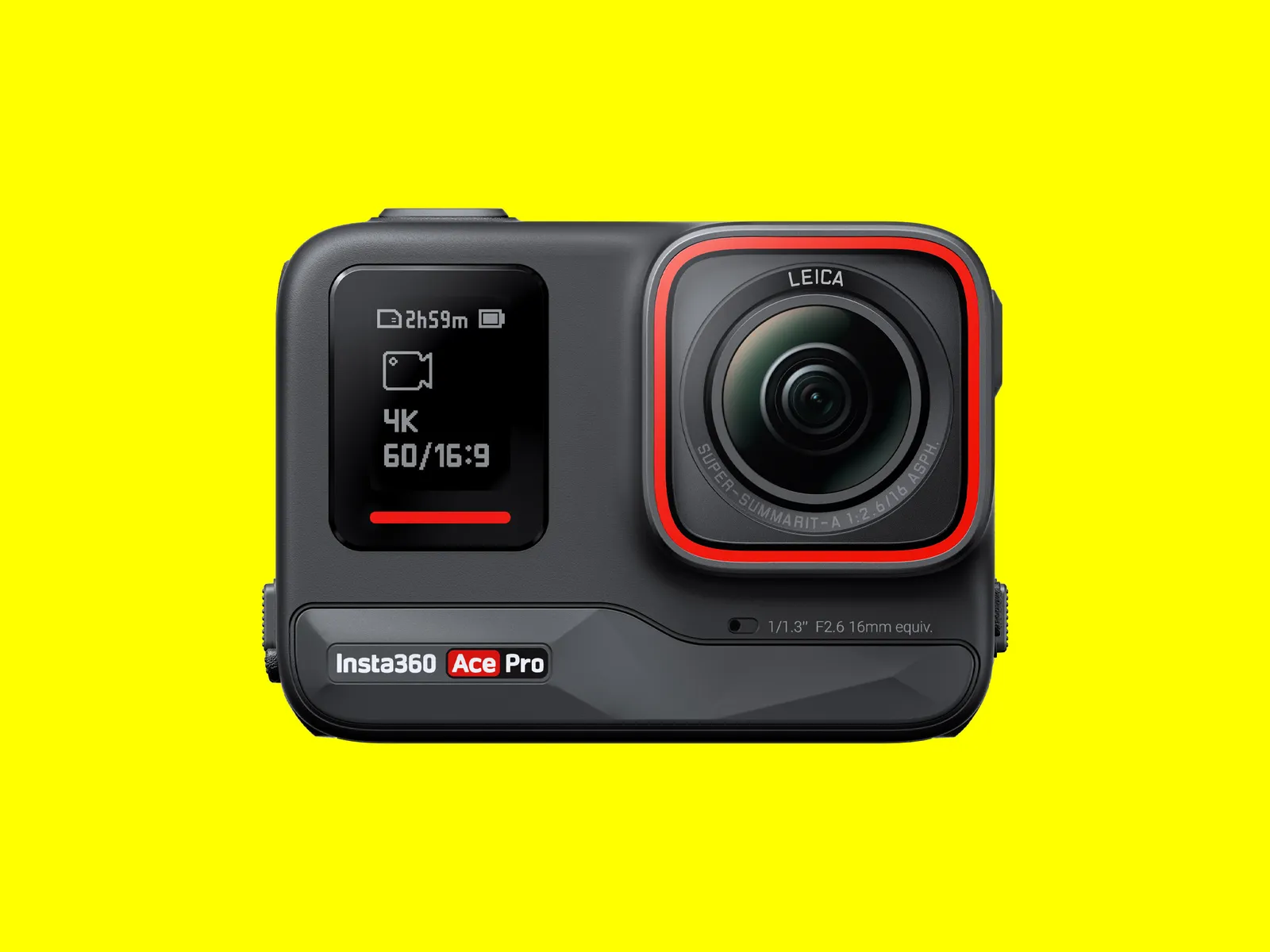
Key highlights of the Ace Pro include a Leica co-developed 16-mm wide-angle lens and a 1/1.3-inch sensor, which enhance video quality. It supports up to 8K video at 24 fps and has a user-friendly flip-up screen, making it ideal for vlogging.
The Ace Pro does not replace Insta360’s earlier model, the One RS, which features multiple lenses for both action and 360-degree video. Instead, the Ace Pro combines aspects of both the One RS and the Go 3, resulting in a hybrid camera that excels in functionality and enjoyment.
It features a Leica lens similar to the One RS’s Leica mod, though it uses a 1/1.3-inch sensor instead of the larger 1-inch sensor found in the One RS. The camera also includes a flip-up screen, a standout feature borrowed from the Go 3.
While the GoPro Hero 12 is my go-to for video, I find myself returning to the Go 3 for its simplicity, despite its lack of 4K. The Ace Pro addresses this by offering 4K video, with capabilities up to 8K at 24 fps, though it doesn’t have the detachable unit of the Go 3. The Leica lens and rugged features make it a compelling choice.
Comparing the Ace Pro to the GoPro Hero 12 and DJI Action 4 reveals a nuanced picture. All three cameras are excellent, but the Ace Pro’s Leica lens, a 16-mm f/2.6 wide-angle, stands out. Testing has shown that its lens quality often surpasses that of the competition, although the sensor size—while larger than the GoPro’s—doesn’t necessarily guarantee superior image quality.
In direct comparisons, the One RS demonstrated higher detail despite being older. If top video quality is your goal, the One RS with Leica mod still leads the pack. For most casual users, especially those focused on platforms like TikTok or Instagram, the differences may not matter much.
The Ace Pro’s footage closely resembles that of the GoPro Hero 12, with each camera excelling in different areas. The GoPro handles extreme conditions better, while the Ace Pro shines in well-lit environments, producing vibrant colors.
The Ace Pro does not support Log recording, so users sensitive to color rendition may want to consider alternatives. It supports up to 8K video, but the lack of 5.3K or 6K settings is a drawback. Insta360 has a strong history of adding features through firmware updates, so improvements could come.
Stabilization is competitive, thanks to Insta360’s FlowState technology, though audio quality leaves room for improvement and could benefit from an external microphone.
The Ace Pro’s flip-up screen makes it ideal for vlogging, offering a clear view for framing shots. While it has a front screen for settings, it’s less practical for monitoring video.
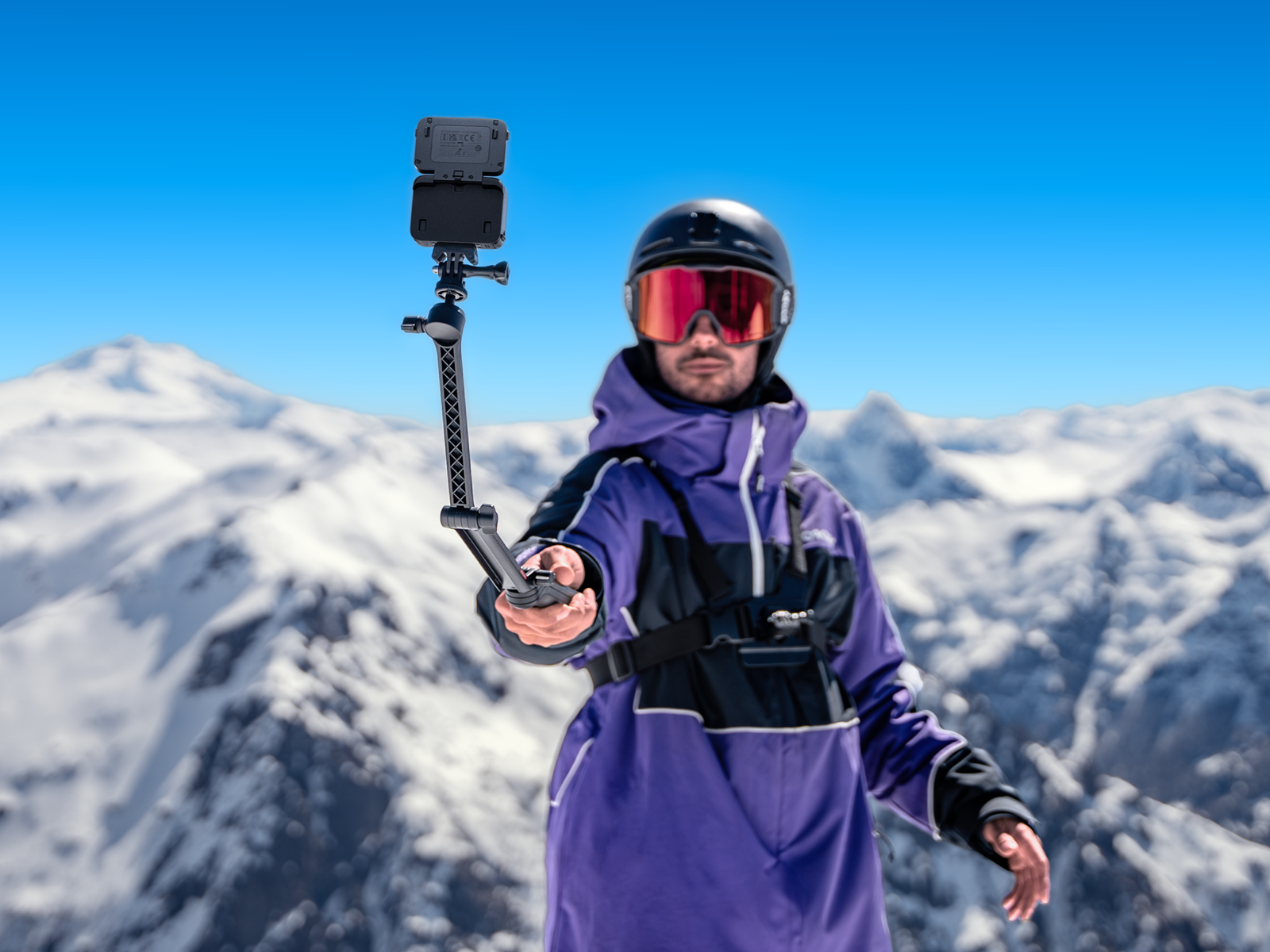
Battery life is respectable, providing about 82 minutes of recording time, and it charges quickly. However, the camera is relatively heavy at 6.3 ounces, which could be noticeable when mounted.
Overall, the Ace Pro offers a range of features that make it a strong contender in the action camera market, though its weight and some limitations should be considered.
While the camera excels in well-lit conditions, it lacks a Log video option, which may deter some users. Its stabilization performance is competitive with rivals, although audio quality could benefit from an external microphone. Battery life is decent, providing around 82 minutes of 4K recording.
The Ace Pro is priced at AED1,699.00, slightly more expensive than its competitors. Overall, it’s a solid choice for those seeking a hybrid camera that balances action performance and usability.