When geopolitical tensions disrupted traffic through the Strait of Hormuz, the immediate impact was visible across global shipping lanes. But behind the scenes, the crisis became a real-time stress test for modern logistics technology and how effectively global brands could adapt. For Ferrari, the challenge was not just about moving cars, but about leveraging digital infrastructure to maintain precision, speed, and customer experience in one of its most important markets.
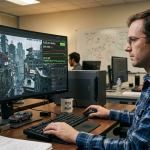
At the heart of Ferrari’s response was the use of advanced supply chain visibility platforms often referred to as “control towers.” These systems aggregate real-time data from shipping partners, ports, and regional distributors, enabling companies to monitor disruptions as they happen. Instead of reacting days later, Ferrari’s logistics teams were able to make near-instant decisions, rerouting shipments and adjusting delivery timelines dynamically based on live conditions.
One of the key technologies enabling this agility is predictive analytics. By analyzing historical shipping patterns, geopolitical risk indicators, and live maritime data, logistics systems can forecast delays and recommend alternative routes before disruptions fully materialize. In the case of the Strait of Hormuz, where vessel movement dropped sharply, such tools allowed Ferrari to redirect shipments via longer but safer routes, minimizing overall downtime.
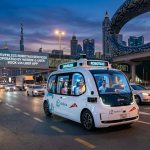
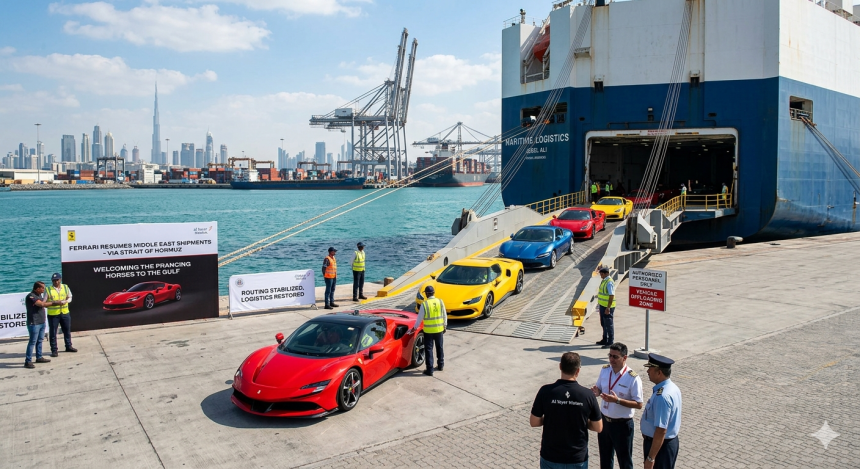
Another critical layer is automation at ports and distribution hubs. Smart ports equipped with IoT sensors, automated cranes, and AI-powered scheduling systems help accelerate the handling of high-value cargo like luxury vehicles. As Ferrari resumed shipments to the Middle East, these technologies ensured faster turnaround times at key entry points such as Jebel Ali, reducing backlog and improving delivery efficiency.
Cloud-based logistics platforms also played a vital role. By centralizing data across regions, Ferrari’s teams in Europe and the Middle East could collaborate seamlessly, ensuring alignment between production schedules, shipping availability, and dealership demand. This level of integration is increasingly essential in a world where supply chains span multiple continents and are constantly exposed to external shocks.
Beyond operational efficiency, technology also helped preserve customer experience an essential factor for a brand like Ferrari. Real-time tracking systems allowed dealerships to provide accurate delivery updates to clients, maintaining transparency even during delays. In the luxury segment, where expectations are exceptionally high, this digital visibility becomes a competitive advantage.
The disruption in the Strait of Hormuz ultimately highlighted a broader shift in the automotive industry: logistics is no longer just a backend function, but a technology-driven discipline central to business resilience. Companies that invest in AI, data analytics, and smart infrastructure are better positioned to navigate uncertainty and maintain continuity in volatile environments.
For Ferrari, the successful resumption of Middle East shipments is not just a return to normal operations it is a case study in how digital transformation is reshaping global logistics. As geopolitical risks and supply chain complexities continue to rise, the role of technology in ensuring stability, speed, and adaptability will only become more critical.